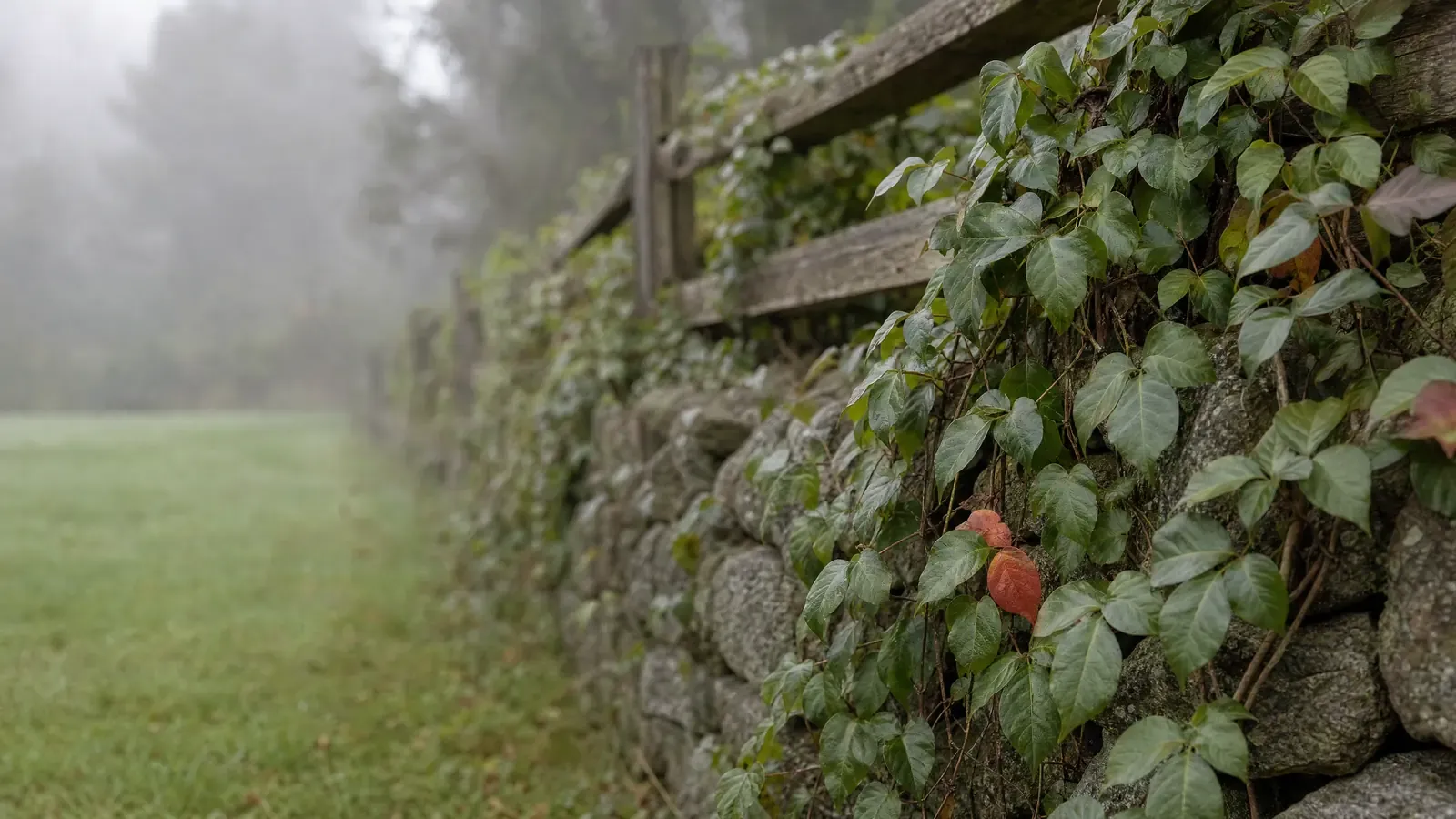
Poison ivy, gone for good — without poisoning your yard to do it.
We take poison ivy, oak, and sumac out physically — vine, crown, and root run — and haul every piece off your property. No herbicides in your soil. No dead-but-still-toxic plant left standing. No waiting period before your family can use the ground again.
Why this one is different
Every part of the plant is toxic. All year. Even the dead ones.
The problem is a compound called urushiol, and it is in the leaves, the stems, the berries, and the roots. It does not evaporate, it does not break down on a schedule, and it does not care whether the plant is alive.
It transfers off almost anything
Gloves, boots, pruners, a wheelbarrow, a dog's coat. People react days later without ever having touched a plant.
Burning it is a medical emergency
Fire carries urushiol into the smoke. Inhaling it puts the reaction in the airway, not on the skin.
Winter is not a safe season
Bare vines and roots are just as potent. Most bad exposures we hear about happened clearing brush in the cold.
Dead is not the same as gone
A sprayed vine stays on your property, still toxic, dropping brittle toxic material every time the wind blows.
Identification
Leaves of three — but that alone isn't enough
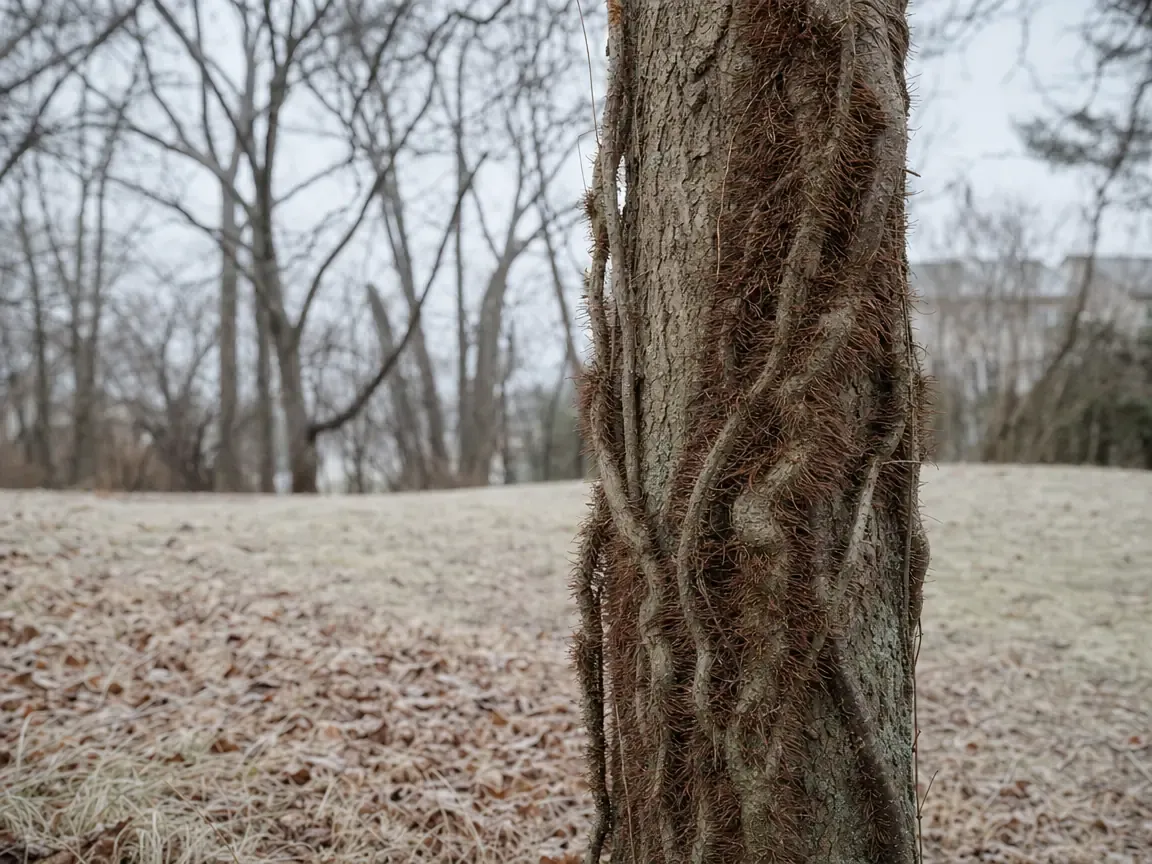
Plenty of harmless plants have three leaflets, and plenty of people clear the wrong thing or, worse, leave the right thing standing. Four features settle it: three leaflets with the middle one on a longer stalk, smooth edges rather than saw teeth, no thorns anywhere on the vine, and a mature climbing stem furred with aerial rootlets like rusty steel wool.
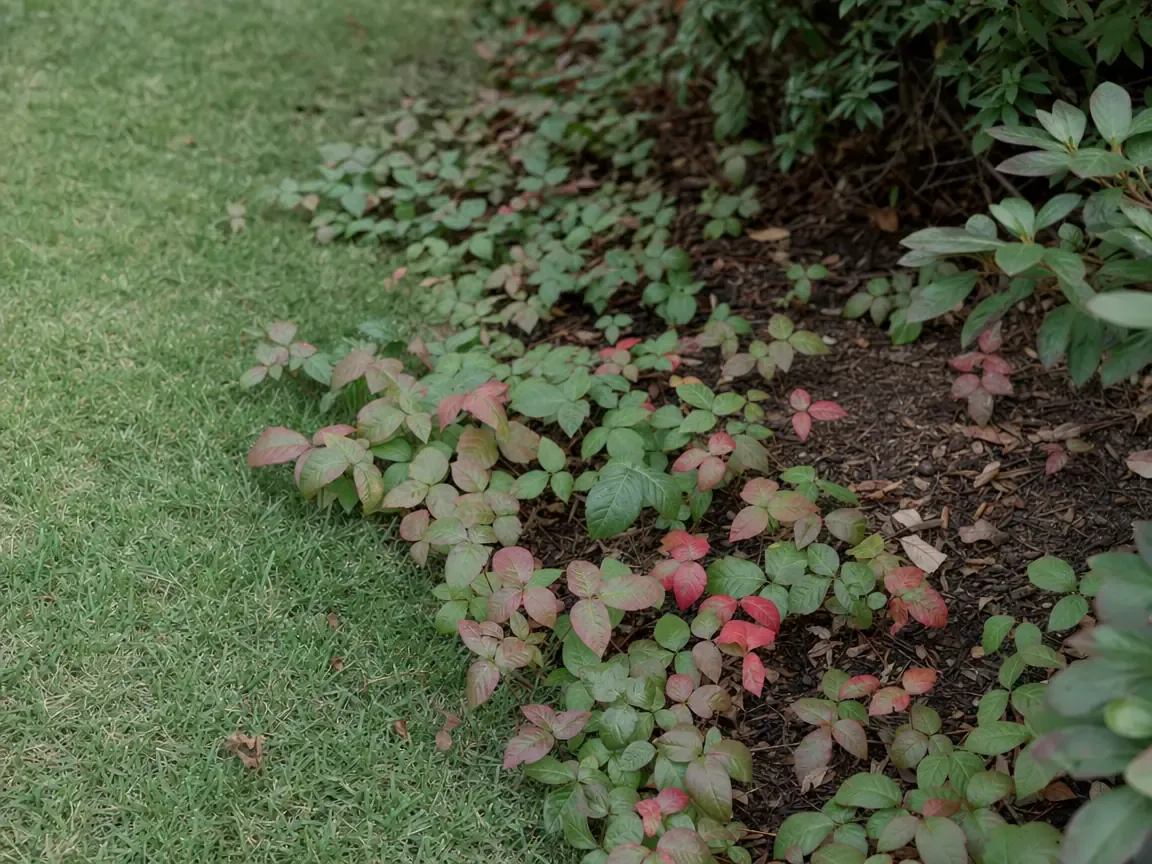
Count the leaflets, then check the edge. Five leaflets is Virginia creeper. Three with saw teeth, growing in opposite pairs, is usually a boxelder seedling.
The method
Three ways this ends. Only one of them leaves you with nothing to touch.
Cutting a vine at the base hides it for a season and leaves the root run to send it back. Spraying it kills the plant but leaves a toxic skeleton standing on your property and the residue in your soil. Physical removal takes the plant off the property entirely, which is why there is no waiting period afterwards.
What we do
Two jobs, one visit
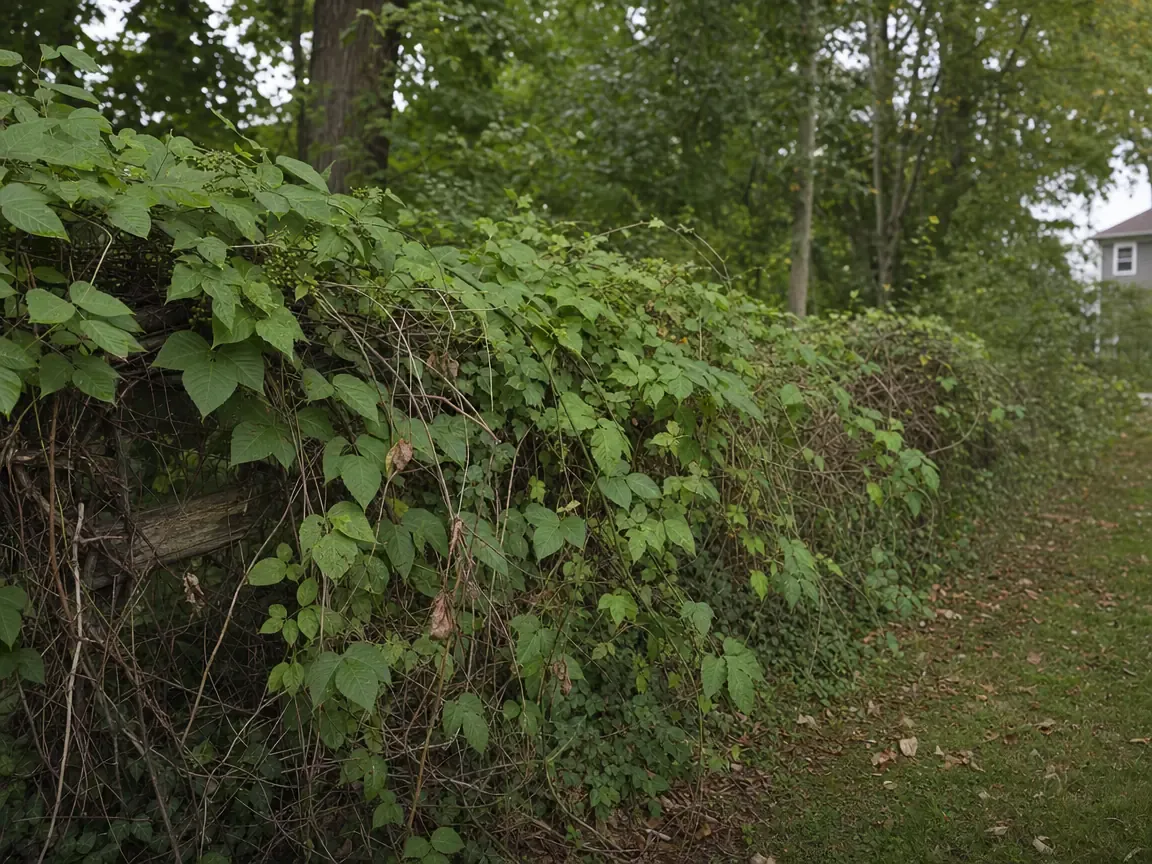
Poison ivy rarely grows alone. If it is on your fence line, there is a good chance multiflora rose, bittersweet, or knotweed is woven through it, and clearing one while leaving the others is not much of a result.
Why us
A specialist, not a landscaper with a sprayer
40+ years on this one plant
Poison ivy has been the specialty since the start, not a line item under general landscaping. We know how it runs before the first cut.
Never a drop of herbicide
Not a marketing position, a method. Nothing goes into your soil, your water table, or the ground your kids and pets use.
All work guaranteed in writing
The scope and the price are on paper before we start, and so is the guarantee. No verbal promises, no revised invoice at the end.
Homes and institutions alike
Backyards and fence lines, and also schools, camps, playgrounds, parks, marinas, golf courses, and nursing homes where the duty of care is explicit.
The process
Four steps, no surprises
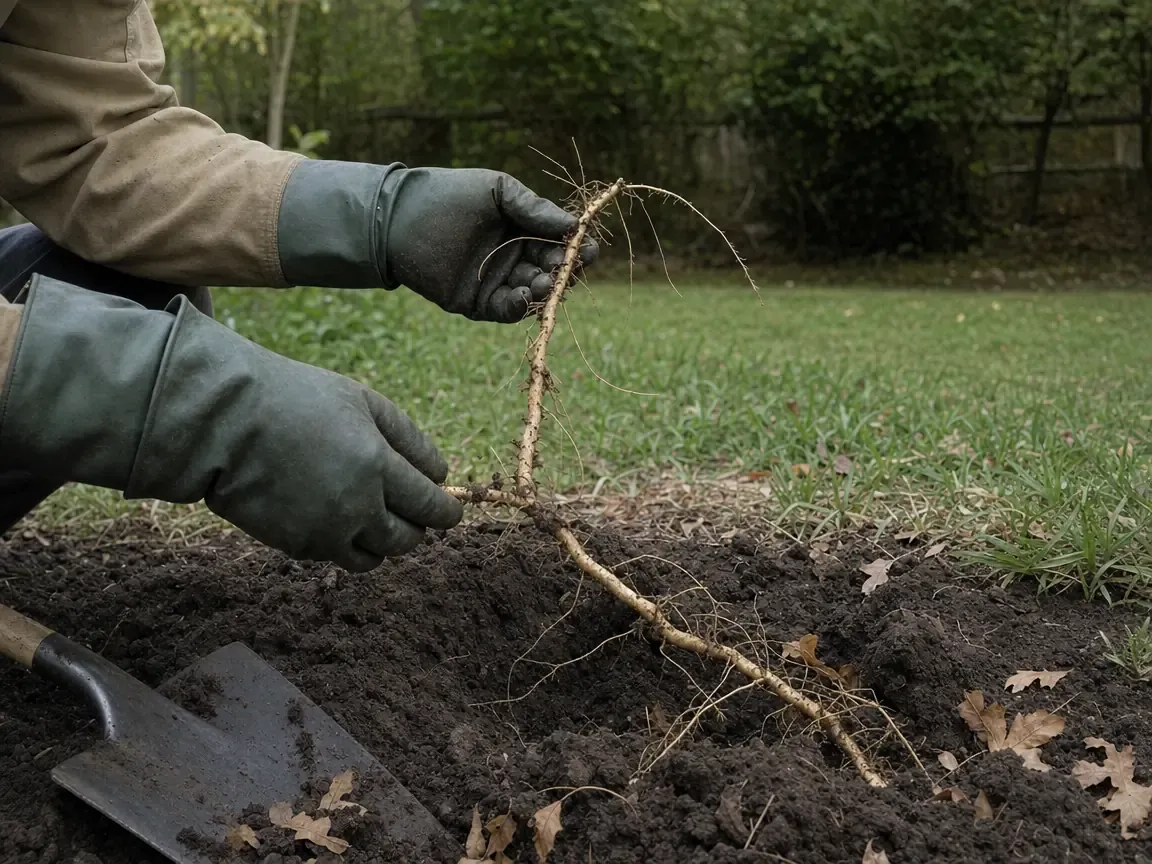
The part that takes the time is the part you cannot see from the lawn: following the root run out to where it stops, rather than stopping where the leaves do.
- 01
Tell us what you're seeing
Call, or send photos and a rough area. If you are not certain it is poison ivy, that is exactly the right time to ask rather than to touch it.
- 02
We come and look
On-site assessment and a written estimate, free. We identify what is actually there — ivy, oak, sumac, or one of the look-alikes — and map how far the root run has travelled.
- 03
We take it out
Physical removal of vine, crown, and root run, by hand where the ground demands it. Everything is bagged and hauled away, never chipped, composted, or burned.
- 04
You get the ground back
No re-entry period to wait out, because nothing was sprayed. We walk the boundary with you and show you the line to watch.
Where we work
The Northeast corridor, county by county
New York City and Long Island, the lower Hudson Valley, northern and central New Jersey, coastal Fairfield County, and the New Hope area of Bucks County. Every area has its own page, with the towns we cover and how the plant behaves on that ground.
All service areas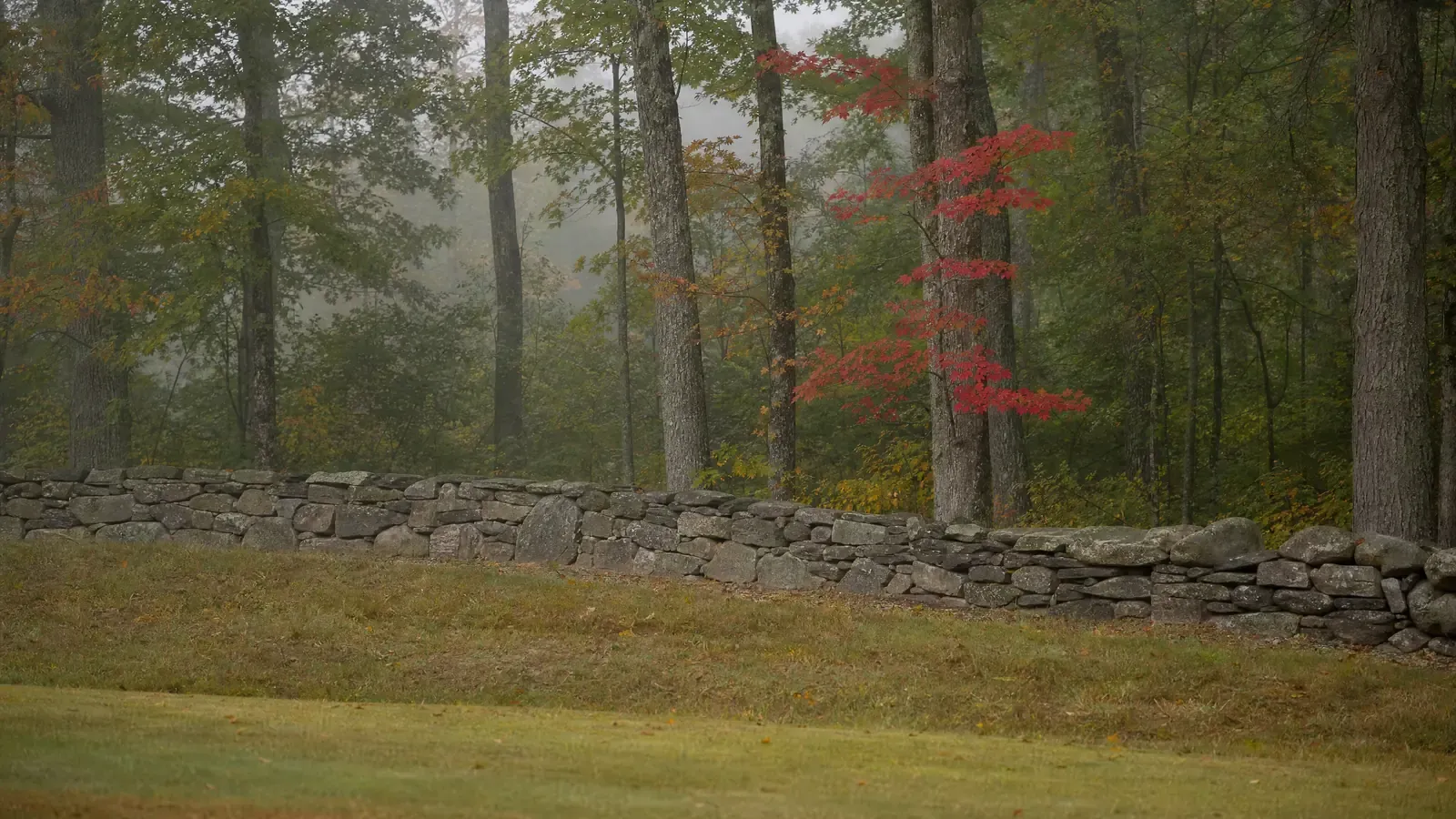
New York City
Long Island
New York: Hudson Valley
New Jersey
Connecticut
Pennsylvania
Get your property back
Tell us where it is and how bad it's got, or just call. We'll tell you straight what the job involves and what it costs. No pressure, no chemicals, no guessing.