About
Forty years spent on one plant
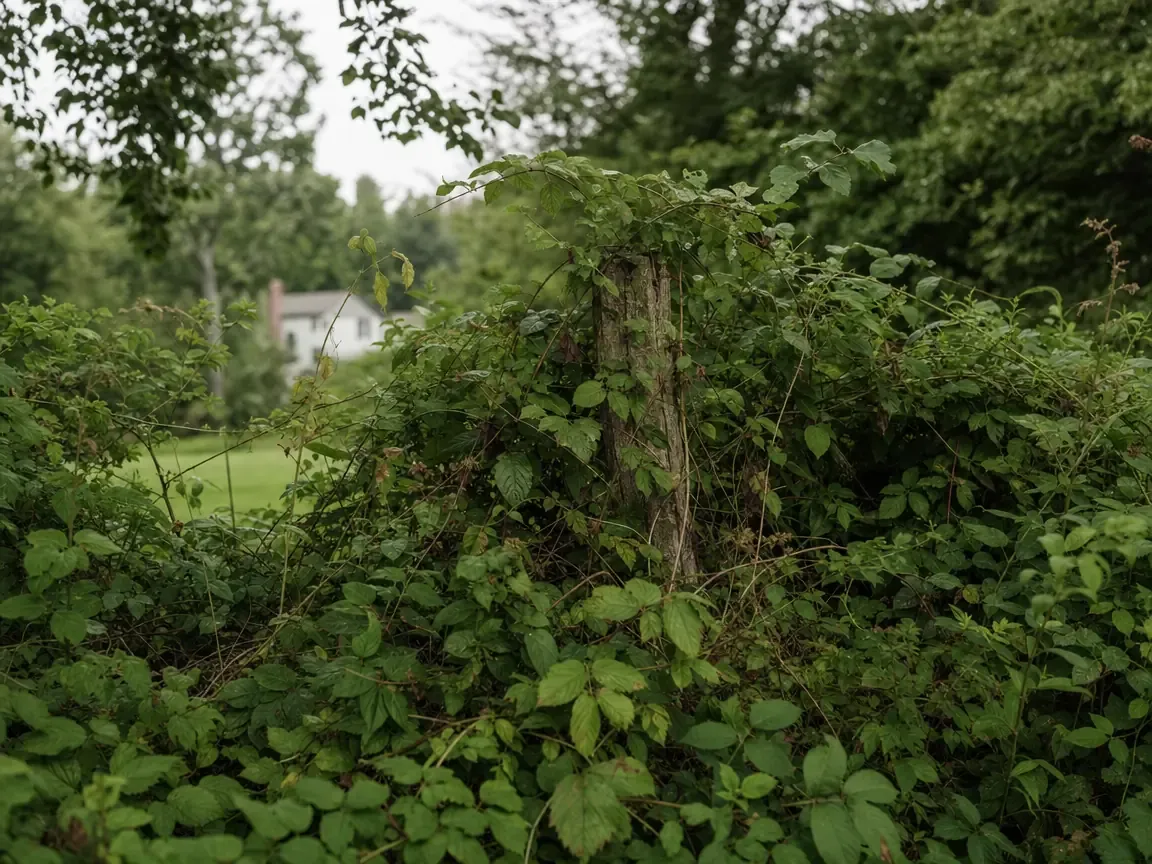
Most companies that will take poison ivy out of your yard do it as a line item under general landscaping, with a sprayer, once a year. This is the whole business, and it has never involved a chemical.
How it started
Long Island, the late 1950s
This started the way most people meet poison ivy: badly, and repeatedly. Growing up on Long Island in the late fifties meant summers spent in the scrub behind the houses and along the beach paths, and it meant coming home covered in a rash often enough to start paying close attention to what caused it.
That is a slower education than a textbook and a more durable one. By the time it became a profession, identifying the plant on sight — at any season, at any size, bare-stemmed in February or lost in a hedgerow in August — was not a skill that had to be learned on the job. It was already there.
Everything else followed from a single decision made early: this plant does not get sprayed. It gets removed. Forty years later that has not changed, and it is still the thing that separates this work from what a landscaping crew will do for you.
The practice, in short
- Specialty
- Poison ivy, oak, and sumac — plus the hazardous and invasive plants that grow with them
- Method
- Physical removal only. No herbicides, no exceptions, no subcontracting it out
- Territory
- NY · NJ · CT · PA · NYC · Long Island
- Experience
- 40+ years
- Sister practice
- Guaranteed Bamboo Removal — same owner, same organic method
The position
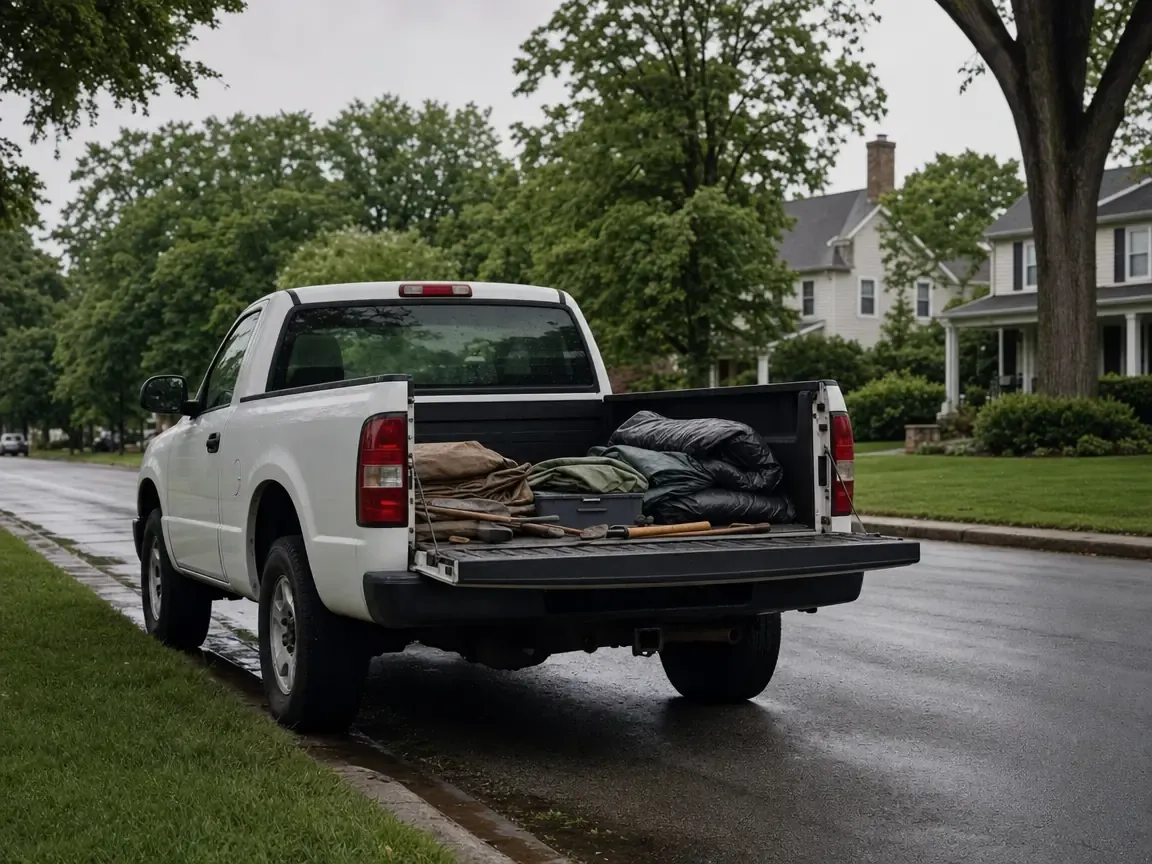
Why there has never been a bottle on the truck
Herbicide is the easy sell. It is quick, it is cheap to apply, and the customer sees a brown plant within a fortnight, which looks a great deal like success.
It is not success. The urushiol that causes the rash survives the plant's death, so what you have bought is a dead, brittle, still-toxic vine standing where the live one was, shedding fragments across ground your children and pets use — and residue in the soil underneath it.
Taking the plant off the property costs more and takes longer. It is also the only version where the answer to “when can we use the yard again?” is “now.”
Credentials
Trained in the horticulture, not just the labour
Anyone can cut a vine. Knowing which plant it is, how far the root run has travelled, what will regenerate from a fragment and what will not, and how to get a mature vine off a specimen oak without killing the oak — that comes from training.
- Two Forestry degrees — Syracuse University and SUNY College of Environmental Science and Forestry
- Organic land-care certification — Cornell Cooperative Extension, Suffolk County
- Organic land-care certification — The Nature Lyceum
- American Association of Nurserymen, Garden Center Design
- New York State Certified Nurseryman
Straight answers
You will speak to someone who knows the plant
Not a call centre and not a salesperson working from a script. If you are not sure what you have, send a photo — identifying it is free and it is the question we would rather you asked than answered yourself with a pair of secateurs.
Get your property back
Tell us where it is and how bad it's got, or just call. We'll tell you straight what the job involves and what it costs. No pressure, no chemicals, no guessing.