Learn
Why DIY poison ivy removal fails
A small patch of groundcover in an open bed, caught early, is a job a careful homeowner can do. Most of what people actually call us about is not that — and three specific situations are ones we would tell anyone to stay out of.
The four failure modes
Where it goes wrong
Cutting without taking the root run
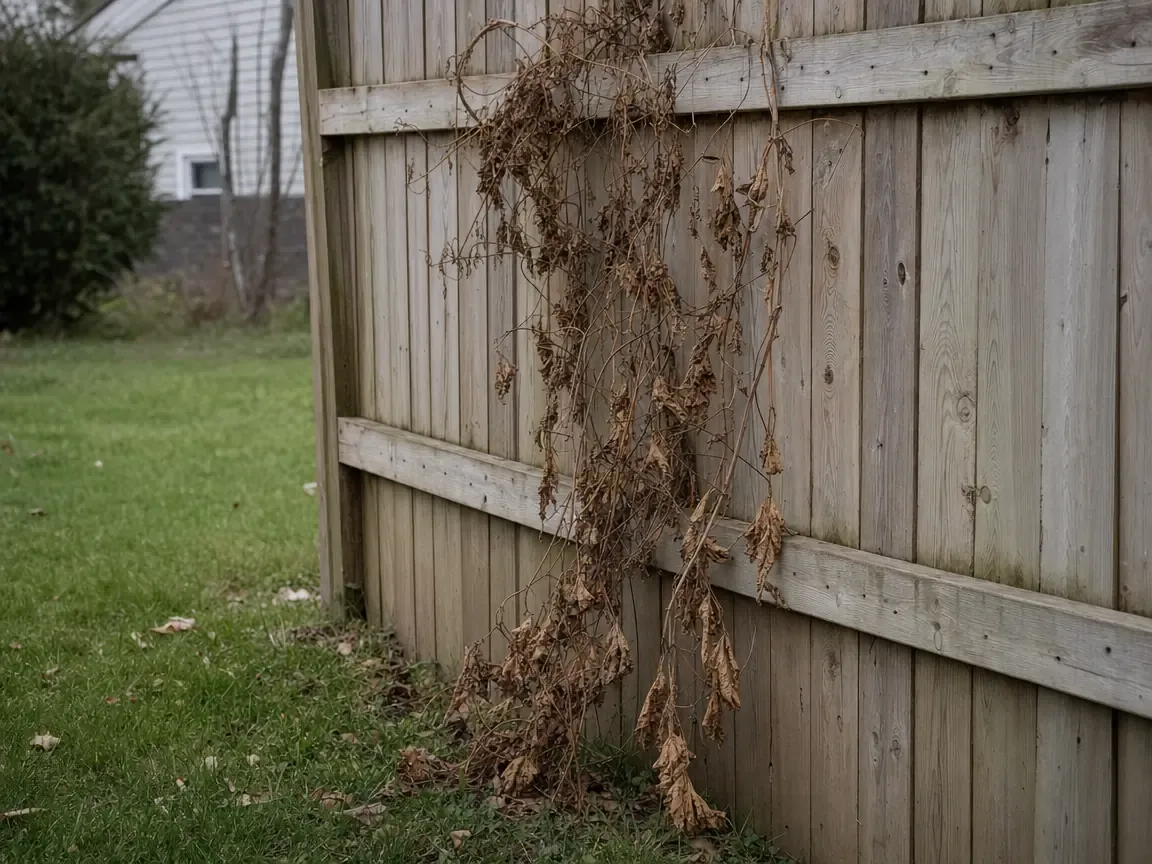
The most common approach and the least effective. Poison ivy regenerates from its root system and from creeping stems that root wherever they touch soil. Severing the visible growth removes this season's problem and guarantees next season's. Worse, a cut vine left on a tree stays toxic while it dries and drops brittle fragments for months.
Spraying it
It works, slowly, usually across repeat applications — and it leaves you with a dead plant that is exactly as toxic as the live one was, standing where it stood, plus residue in the soil. If the goal was 'nothing on my property that can hurt anyone', spraying does not achieve it.
Burning it
This is the one that lands people in hospital. Fire carries urushiol into the smoke, and inhaled it causes a reaction in the airway and lungs rather than on the skin. It is a genuine medical emergency, it affects everyone downwind rather than only the person working, and no version of a brush pile makes it acceptable.
Never do this one
Cross-contamination afterwards
The work goes fine and the reaction arrives three days later from the gloves, the pruners, the wheelbarrow, the boot laces, the trouser cuffs, or the dog that walked through the pile. Urushiol stays active on those surfaces for months. This is why one person clearing a fence line often produces a household of rashes.
What actually ends it
Three outcomes. One of them is finished.
Cut it and the root run sends it back. Spray it and a toxic skeleton stays on your property with residue in the soil beneath it. Take the plant off the property and there is nothing left to touch and no waiting period before the ground is usable again.
Be honest with yourself
Three situations to leave alone
We are not going to pretend nobody should ever pull a poison ivy seedling out of their own flowerbed. Plenty of people do, carefully, and it is fine. These three are different.
It's a mature vine up a tree
A climbing vine can reach the crown, thicken to the width of a wrist, and put out leafy side branches that look like part of the tree. Removing it means working overhead, on a ladder or with a saw, with toxic material falling. This is where the worst exposures happen.
You've reacted badly before
Sensitivity increases with exposure rather than decreasing. A previous severe reaction is a reason to stay away from the plant entirely, not a reason to be more careful next time.
It's near a play area, path, or public ground
Anywhere other people walk — a school, a camp, a park, a shared path, a rental property — the standard is not 'mostly cleared'. Missed root run that regrows next season is a liability on ground you are responsible for.
If you go ahead anyway
Then at minimum
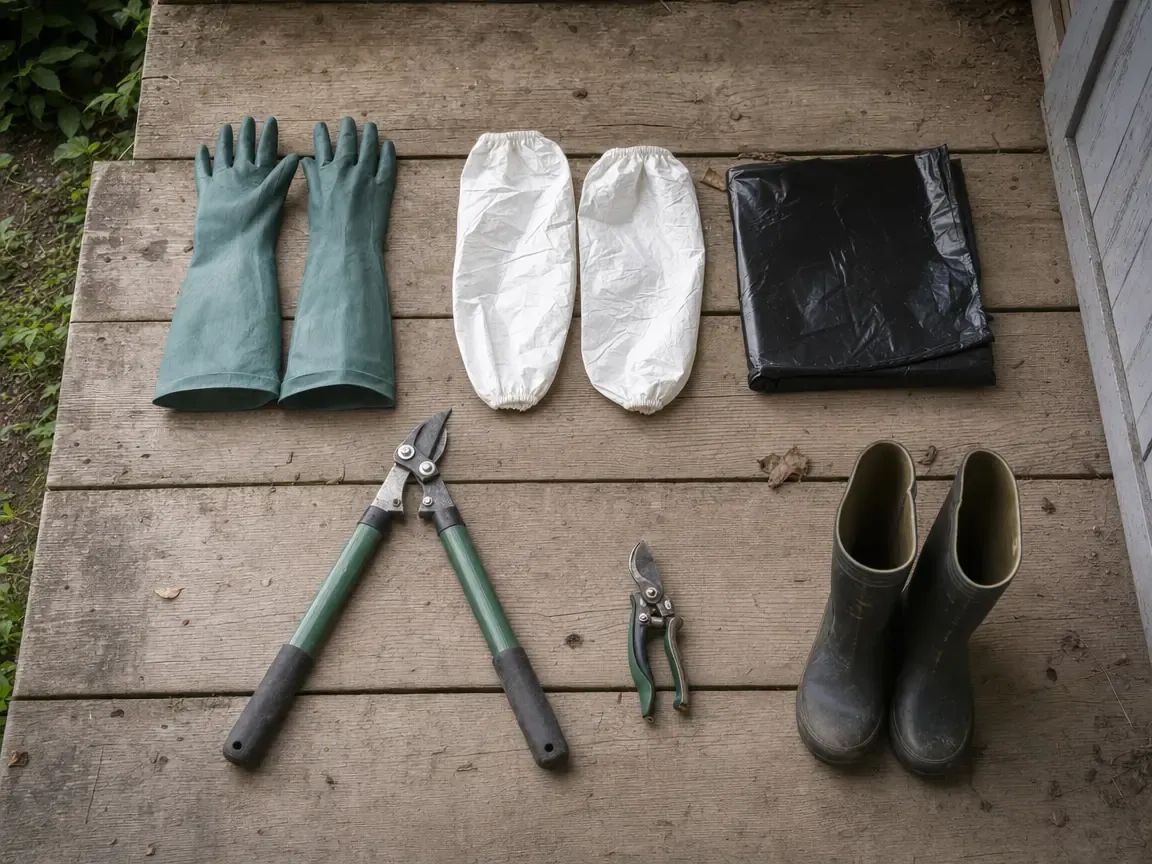
- Cover everything — long sleeves, long trousers, boots, and disposable gloves under work gloves. Urushiol goes straight through fabric gloves.
- Pull rather than cut, and get the root run, working when the soil is damp so it lifts more completely.
- Bag the material as you go. Never chip it, never compost it, and never burn it.
- Assume every tool and every garment is contaminated. Wash tools with detergent, wash clothing separately and on its own cycle, and keep pets away from the whole area until it is cleared.
- Do not do it on a windy day, and do not do it alone if the growth is dense or the ground is difficult.
Related: why the oil on your gloves is still dangerous next spring.
Get your property back
Tell us where it is and how bad it's got, or just call. We'll tell you straight what the job involves and what it costs. No pressure, no chemicals, no guessing.