Learn
Urushiol and the rash
Almost everything odd about poison ivy — the delay, the apparent spreading, the person who reacts and the person beside them who doesn't — comes down to one compound and how the immune system learns to recognise it.
What is urushiol?
Urushiol is an oily, non-volatile resin found in every part of poison ivy, poison oak, and poison sumac — leaves, stems, berries, vine, and roots. It is not a poison in the ordinary sense and it does not act on contact the way an acid does. It is an allergen: it binds to proteins in the skin, and the immune system reacts to the combination. That is why the response is delayed, why it varies enormously between people, and why sensitivity can appear after years of uneventful exposure.
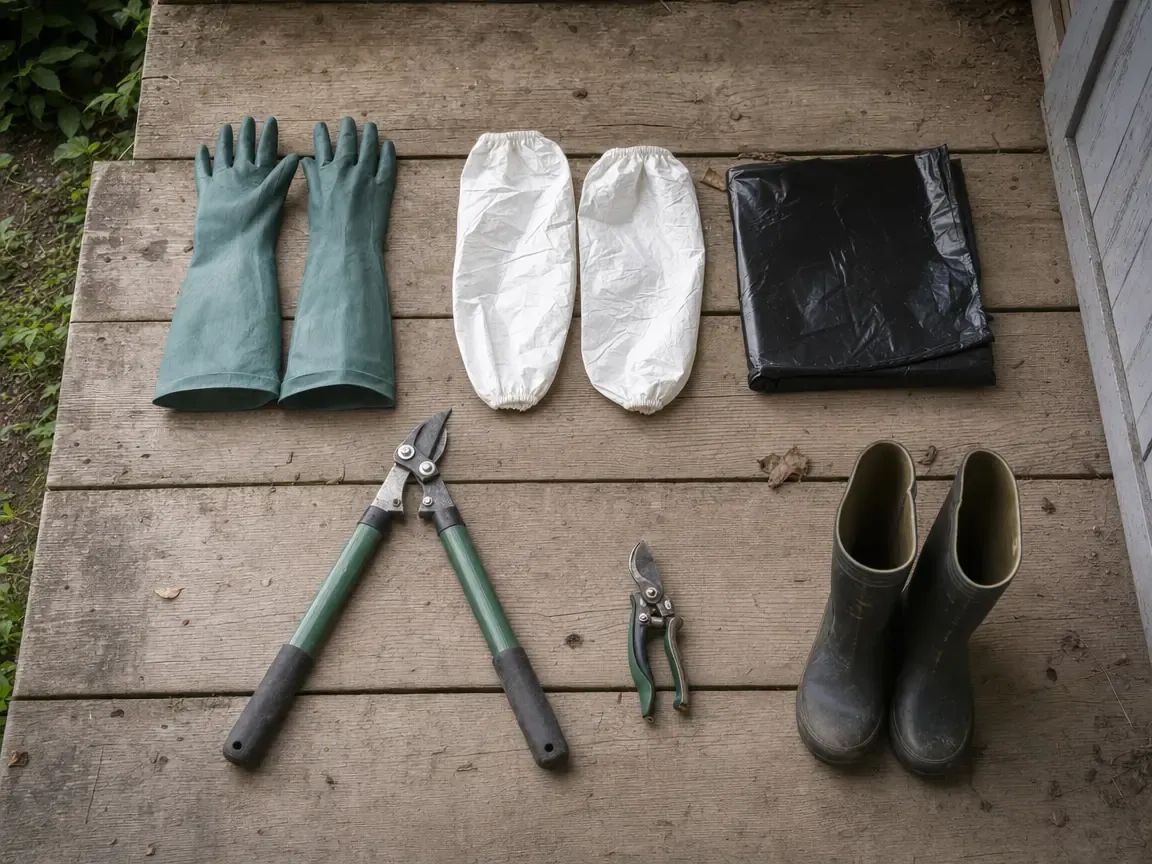
It is also remarkably durable. Urushiol does not evaporate and does not break down on any useful timescale. On tools, gloves, boots, clothing, or a dog's coat it can remain capable of causing a reaction for months, and on stored objects considerably longer.
Why does the rash appear days after contact?
Because the immune system has to recognise it first. On a first significant exposure a person may not react at all, while their immune system quietly learns the compound. On later exposures the response is faster, and for most sensitised people the rash appears somewhere between twelve hours and three days after contact — often long enough that the connection to the afternoon spent clearing brush is not obvious.
Why does it look like it's spreading?
Because different patches of skin are reacting at different speeds. Where the exposure was heaviest, or the skin thinnest, the reaction appears first. Areas with a lighter dose or tougher skin follow over the next several days, which reads to the person experiencing it as a rash that is marching across their body.
The other cause of genuinely new patches is fresh contact with urushiol that is still on something. The gloves in the shed. The shoelaces. The tool handle. The dog.
How long does it last?
A typical reaction runs one to three weeks. Severe ones last longer and can be genuinely debilitating. Anything involving the face or eyes, a large proportion of the body, difficulty breathing, or exposure to smoke from burning the plant is a reason to seek medical care rather than to wait it out.
We remove plants; we are not clinicians. This page explains why the plant behaves the way it does so you can avoid exposure — it is not guidance on treating a reaction. For that, and for anything involving the face, the eyes, breathing, or a large area of skin, speak to a doctor or a pharmacist.
Setting the record straight
Four things almost everyone has wrong
The claim
“The rash spreads when you scratch it”
It doesn't. The fluid in the blisters contains no urushiol and cannot pass the reaction to anyone, including yourself. What looks like spreading is different areas of skin reacting on different timelines, because thinner skin reacts faster than thicker skin and heavier exposure reacts sooner than lighter exposure.
The claim
“You can catch it from someone else's rash”
Not from the rash itself. You can absolutely pick it up from urushiol still on their clothes, boots, tools, or dog — which is why second-hand exposures inside a household are so common and so confusing.
The claim
“If it's never affected you, you're immune”
Sensitivity is acquired, and it can develop at any point in life after repeated exposure. People who cleared poison ivy without trouble for years and then reacted severely are not unusual; they are the normal path.
The claim
“Dead plants are safe to handle”
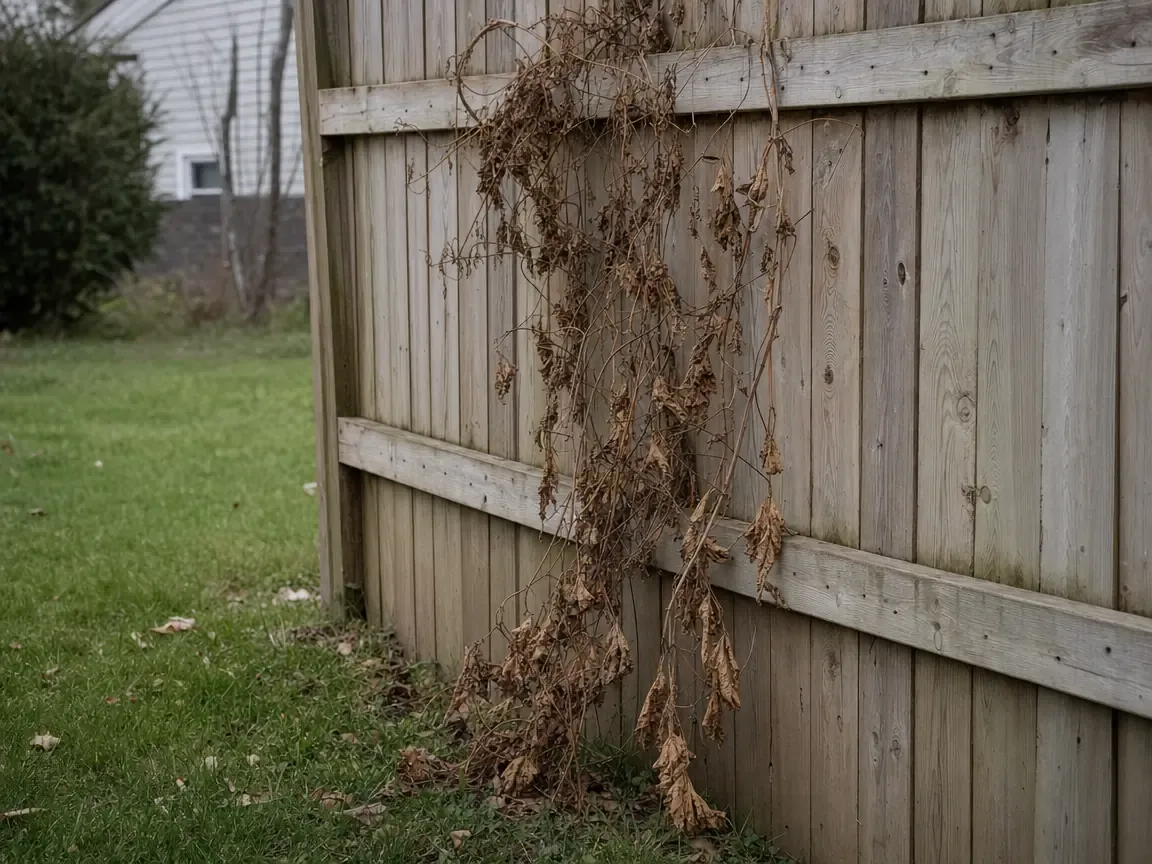
Urushiol is not destroyed when the plant dies. Dried vines, cut stems, root fragments, and material that has been dead for months all still cause reactions. This is the single most consequential misunderstanding about the plant.
Why this matters
It's the entire argument against spraying
If urushiol survived only as long as the plant did, herbicide would be a perfectly reasonable answer to poison ivy. It doesn't. Killing the plant leaves a dead, brittle, fully toxic structure standing on your property, shedding fragments into the soil and the air every time the wind moves it — and it puts herbicide residue into ground your household uses.
Taking the plant off the property is the only version where the toxin leaves with it. That is not a marketing preference; it is a direct consequence of how the compound behaves.
Related: how to identify poison ivy before it gets this far.
Get your property back
Tell us where it is and how bad it's got, or just call. We'll tell you straight what the job involves and what it costs. No pressure, no chemicals, no guessing.